Share your Story : Rebecca

A young woman in a hospital bed giving two thumbs up

My Journey with Endometriosis & Adenomyosis by Rebecca L. Gibson

I was always healthy and active in sports while growing up. In 2008, I married my childhood sweetheart and we began our life together. Everything changed in 2009 when I developed symptoms of endometriosis. Endometriosis (en-doh-mee-tree-oh-sis) is an extremely painful condition where tissue resembling – but not the same as – the endometrium (lining of the uterus) is found elsewhere in the body, outside the womb. Although symptoms may indicate endometriosis, an official diagnosis can only be made through surgery. Common symptoms include, but are not limited to –pelvic pain apart from menses, debilitating menstrual pain, backache/leg pain, painful intercourse or pain associated with sexual activity, painful bowel movements, fatigue, bloating, constipation/diarrhea, which may worsen during menses, pain with exercise, painful pelvic exams, painful urination, sciatic pain, infertility/pregnancy loss.

Continue reading
It hurts to have sex…

A bed with the blankets drawn back revealing the sheets and four pillows

So this entry’s going to get a bit personal.  And possibly full of Too Much Information.  But it is a topic that needs to be addressed.  Not only for myself, but for countless otherssuffering from the same issues.

One of the symptoms of Endometriosis for a lot of EndoWarriors is painful sex (either during, after, or both), and it’s estimated that more than half of the people with Endo suffer from it.  The fancy name for pelvic pain during or after sex is Dyspareunia. It’s common and it could have a myriad of causes and factors.  Some of those factors can be vaginal dryness, herpes, Endometriosis, ovarian cysts, fibroids, Adenomyosis, uterine tilt, bowel tenderness or fullness, pelvic inflammatory disease, infections, or bladder issues.  The pain can be limited to the vaginal opening or canal, or it can extend deeper into the pelvic region and thighs.  This pain can stop as soon as sexual activity is stopped, or can last for hours, or even days afterward.  It can be a dull ache, a sharp pain, stabbing sensations, and can range from barely there to excruciating.

Continue reading

Share your Story : Nadia

Nadia is the team leader for Team Zimbabwe.  They’re putting together the first ever EndoMarch in their country and are hoping it will be a great success.  They are also hosting a February 27, 2016, awareness campaign with guest speakers to try to not only raise awareness of our illness, but hold in-depth conversations about possible causes and future treatments.  Nadia and I have been talking for the past several days and she’s allowing me to share her story with you today.

Continue reading

Frozen Embryo Transfers & Endometriosis

Frozen embryo transfer medical tubes

A lot of people have trouble becoming pregnant, whether or not they have Endometriosis.  The question has been raised : if you have Endometriosis and are undergoing frozen embryo transfer (FET), which treatment regimens and protocols have the highest successful pregnancy rate?

I myself have never considered IVF and had to do a bit of initial research on the differences between fresh and frozen embryos, IVF, etc.  I am so grateful an EndoWarrior asked this question; brought this struggle to my attention.  So if you already know about these, please bear with me as I learn.  Otherwise, skip passed these first few categories to the knitty gritty below 🙂

Continue reading

Share Your Story : Amy

A woman at a music concert

Amy was 29 years old when she learned she had Endometriosis.  Now 38 and living in New Jersey, she has turned her personal battle with Endometriosis into a campaign to help others.

Amy’s Journey: My first memory of my cramps was when I was just 14 years old. I was on vacation with my family in Florida at my Grandmother’s house. We were there for a fun family vacation. However, my cramps were so bad that my mother insisted that I do a shot of brandy to warm my insides up. I was only 14! That is how my period started and it has continued to affect my life on a constant basis.

Continue reading

Bladder & Endometriosis

Diagram of the urinary system in humans

You’ve likely heard that Endometriosis can grow in all sorts of places inside the body.  Well, the bladder and urinary tract are no exception.  Endometriosis implants can grow on or inside the walls of the bladder or along the urethra.

Symptoms

Common symptoms patients may complain about with bladder Endo are frequently needing to pee, pain when the bladder is full, painful urination, and an urgent need to pee.  Some also suffer from blood in their urine when they’re on their cycles (may be hard to distinguish…given the natural course of what a period does…).  This urine-blood may not be perceptible to the naked eye and require a lab test.  And as usual, many EndoWarriors only have these symptoms during their periods; others have them 24/7. It should also be noted that many with bladder Endo don’t present any symptoms.

Continue reading

Is there a link between Endometriosis and Endometrial Hyperplasia?

Bloomin' Uterus logo surrounded by question marks

One of my readers recently contacted me asking if I could do some research for her.  Her physicians suspect she may have hyperplasia.  What is that, you may ask?  It’s the changing or enlarging of cells or organs which may develop into cancer.  Specifically, she is undergoing tests to see if she has endometrial hyperplasia.  Now what’s that?  It’s when the uterine lining (the endometrium) is too thick.  Her question?  Is there a link between Endo and hyperplasia?

I found this to be very interesting as I had an MRI before my diagnostic surgery which found I had abnormally thick uterine lining.  The first part of my surgery last year was to go in and perform a D&C (dilation & curettage) to remove some of the thick lining.  So now I’m not only researching for my reader, but for myself (although my D&C biopsy came back normal).

Continue reading

Endometriosis & The Heart

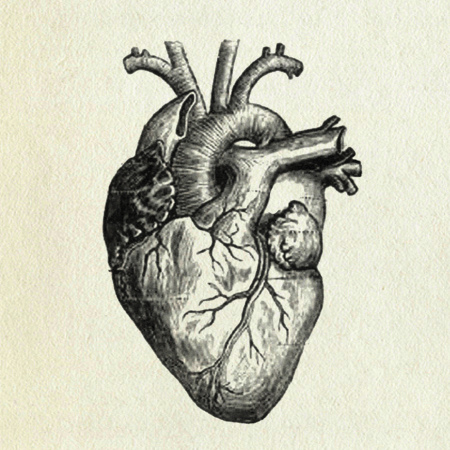
Diagram of human heart

I’ve read bits and pieces here and there that Endometriosis can grow on your heart (or the lining of your heart).  And have heard from a friend that she may have it on her heart.  That’s scary business!

Which got my juices flowin’ to find the documented cases of Endometriosis on the heart, how it was excised (if at all), etc.  Here goes ( PS – there’s not a lot out there…)!

Endometriosis is usually found within the pelvic cavity, but has also been known to travel northward and latching onto the liver and diaphragm.  It has also been found on the membranes surrounding the lungs.  Even rarer, it has been found on the brain, in the lymph nodes, and on the eyes.  But today, we focus on the heart…which is also SO INCREDIBLY RARE. Please, I’ll preface it by saying this is so super duper rare.

Continue reading

Reader’s Choice : Letrozole & Endometriosis

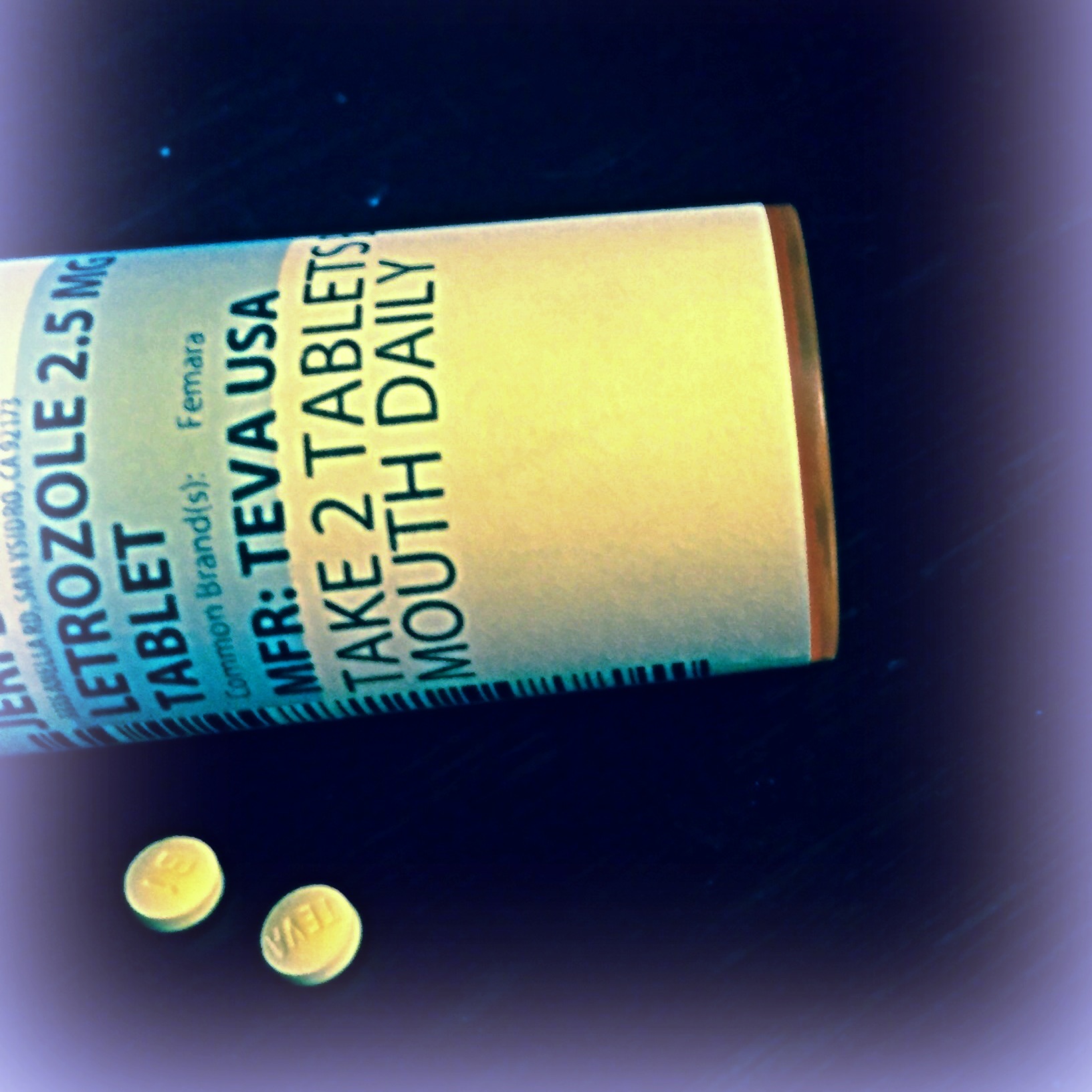
Bottle of Letrozole
Photo courtesy of JLD

One of my local EndoWarriors has started a new medication to help with her Endometriosis pain and symptoms, based upon the recommendation of her new physician.  It’s Letrozole, which I had never heard of.  And she asked me if I had any info on it…so…now I’m inspired to do some research!

What is Letrozole?

Letrozole is the generic name for Femara, a drug classified as an aromatase inhibitor.  What is aromatase?  It’s an enzyme that is crucial in the creation of estrogen. Aromatase inhibitors have been FDA approved for treating breast cancer in post-menopausal patients.  However, it has piqued the interest of the medical community in controlling Endometriosis symptoms.  It is not yet FDA approved for this treatment, but is used as an off-label, accepted treatment among the medical community. As of today’s research, there are no indications that drug manufacturers are going to seek FDA approval for aromatase inhibitors to treat Endometriosis.

Continue reading