Recap: PCOS Workshop

Photos of PCOS presentation event

On December 8, 2016, we had the opportunity to reach out to our local Marine Corps community and teach a workshop about Polycystic Ovary Syndrome, or PCOS.

Background

A few months ago, I received an email from the Marine Corps Community Services Exceptional Family Member Program for the Marine Corps Recruitment Depot/Western Recruiting Region here in San Diego, California.  They wanted to know if Bloomin’ Uterus could coordinate a PCOS Workshop for their interested enrolled members, which included staff, service members, and/or family of service members.  Of course, I jumped at the chance!

I reached out to Dr. Mara Killen, a nurse practitioner at San Diego Women’s Health, my doctor’s office.  The staff at San Diego Women’s Health have been so incredibly helpful in my Endometriosis diagnosis, treatment, and journey and I’m so grateful that Dr. Killen agreed to speak at the PCOS presentation.

Continue reading

Share Your Story : Tara

Man and woman standing next to a christmas tree

Tara Langdale-Schmidt lives in Florida, and was diagnosed with Endometriosis when she was 11 years old! She also suffers from Vulvodynia.  Now 32, Tara invented a treatment that is helping women who suffer from pelvic pain all over the world. Today she shares her story and struggles, but also shares her victories.

Tara’s Journey: It started when I was 11 with my first surgery. Doctors did not know what was causing my abdomen pain so they the scheduled exploratory surgery. They found a huge cyst which had cut off the blood supply to ovary which killed it. They removed that ovary and tube. This was the first of many surgeries for cysts and endometriosis over the next 20 years.

Continue reading

October’s Winner!

drawing of a woman wrapped in a towel

Congratulations, Debbie of New Jersey, for winning our October Coloring Contest!  You’re automatically entered to win our Grand Prize: having your design printed on a t-shirt next year!  All profits of the t-shirt sales will go to the Endometriosis Foundation of America.

If you’d like to enter our contest, a winner will be picked every month until April 1, 2017.  And the best part?  Spreading Endo awareness and having fun at the same time!  Who doesn’t like coloring?!?

Continue reading

Share Your Story : Melinda

Guyanese woman in a blue shirt and necklace

Melinda lives in Guyana in South America and was 35-years-old when she was diagnosed with Endometriosis.  Now 40, she has started an Endometriosis Support Group in her country.  May she bring the government, the women, and the medical professionals together to raise Endo awareness and improve healthcare for the Guyanese citizens!

Melinda’s Journey: 

🌅 Let me begin by thanking Lisa Drayton from Bloomin’ Uterus for giving me that little nudge I needed to start this Endo conversation in Guyana. My journey with Endometriosis has been a long and very painful one.
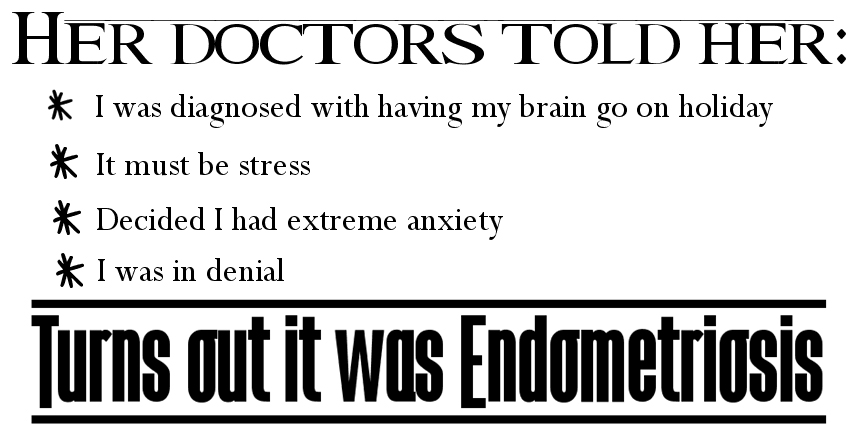
During the latter half of my teens I started having severe pains, heavy bleeding, bloating, lower back pain and constipation during my menstrual cycle. The pain was so intense I would sometimes faint.

Continue reading

Guyana : Endometriosis Care & Treatment

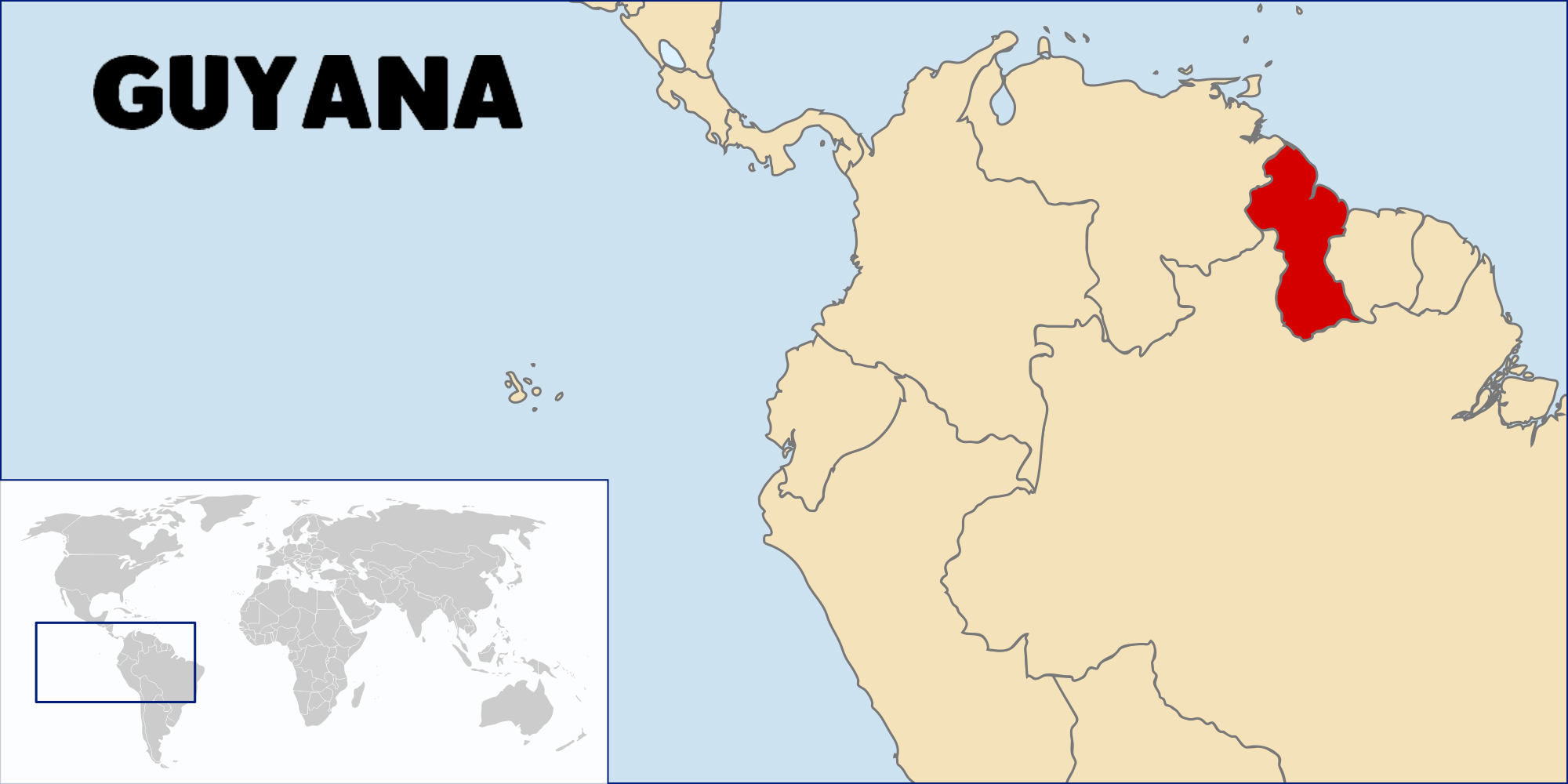
map of guyana

**Updated 10/29/16: If you live in Guyana and have (or think you have) Endometriosis, there IS an online support group created by a woman living in Georgetown:  **

Guyana is a small English-speaking country located on the northeastern coast of South America, next to Venezuela and Brazil.  For a size-comparison, it’s slightly smaller than the state of Idaho.  It’s estimated that 736,000 people live in Guyana, most of whom reside in or near the capital, Georgetown, .  The majority of the country is covered in dense tropical forests.  The rest is grasslands, marshes, and cultivated urban areas.  Guyana has an 11% unemployment rate, and 35% of the population lives below the poverty line.   Unfortunately, nearly 155,000 residents live without electricity.

Continue reading

Reader’s Choice : Pelvic Floor Dysfunction

A birdseye view of pelvic floor musclse

A bird’s eye view of the pelvic floor muscles

Have you heard of pelvic floor dysfunction?  I hadn’t; not before meeting women who suffer from it.  And I’d never heard of a pelvic floor before that, either.  We’re going to focus today on pelvic floor dysfunction in women (although men can get it).  But what is it?

The pelvic floor is made up of a lot of little muscles, nerves, and tissues all working together for your body to function.  Imagine it as a tightly-woven basket at the underside of your pelvis, sweeping from front to back, and side to side.  Not only does it support the organs of the pelvis, but it also wraps around the urethra, rectum, and vagina.  When these muscles, nerves, and tissues stop working properly (they are too tense or too lax), it’s called pelvic floor dysfunction.  It can cause pain and difficulty with urination, defecation, intercourse, and lower back pain.

Continue reading

2nd Surgery pending…

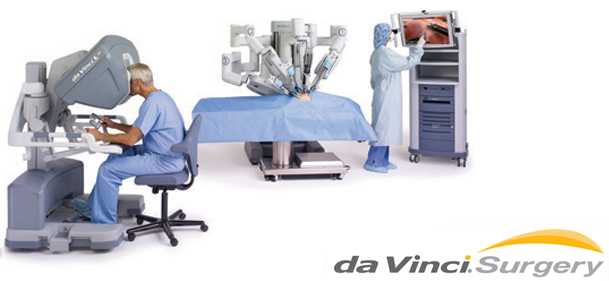
operating room set-up with da vinci surgical machine

This morning I found out Surgery No. 2 is imminent, thanks to my Endometriosis. The date will be sometime in September; I’ll know more in a few days. I met with my doctor today to discuss my ongoing symptoms and worsening pain.  After a long talk and history, an a transvaginal ultrasound (OUCH), and another looooong talk in his office: he felt it’s time to peek under the hood.  I knew going in today that the surgical option was likely it. I wish we could tell if it was present in other ways.  But nope.  My CT was normal.  My US was normal.  But, as you and I both know, it may not always show up on imaging studies.  My symptom history is what convinced him:

Continue reading

Cervical Endometriosis

Sprinkle-covered donut
…not really a cervix, but you get it… 😉

So, WordPress shows me a lot of the searches that people run that lead them to my site.  One has recently come up again and again.  “Cervical Endometriosis” and “Endometriosis on Cervix.”

Seeing as I’ve never touched up on that particular location, I figured I would today!

What are the symptoms? How are you diagnosed?  What’s the treatment?

Continue reading