Endometriosis and Infertility

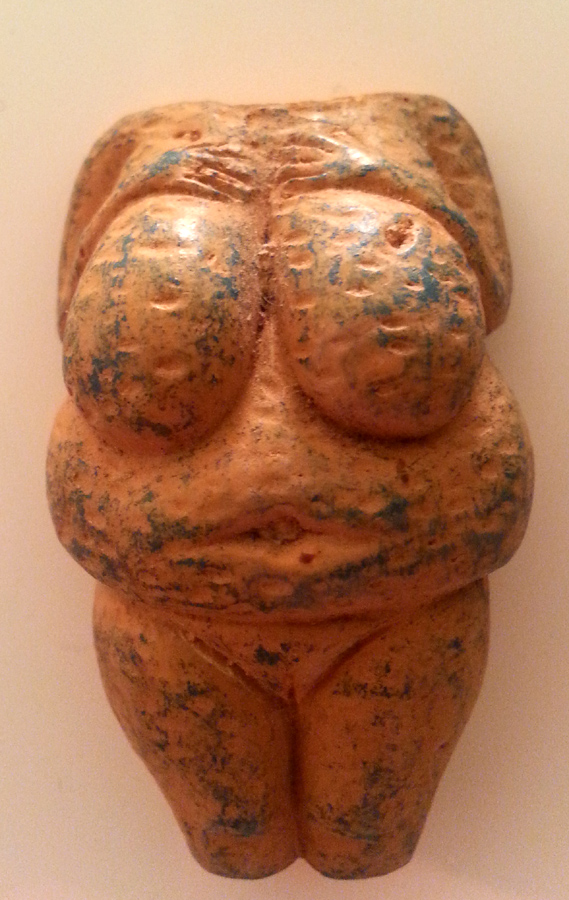
fertility goddess figurine

Many women with Endometriosis also suffer from infertility.  Why? Well, that very question spawned today’s research…

It is believed that Endometriosis is present in 24-78% of infertile women (depending on who you ask).  That’s a huge figure! Infertility associated with Endometriosis may occur at any state of the disease (I to IV; mild to severe).  It’s believed that the Stage of Endo may effect the rate of infertility:  people with “mild” Endo have been known to conceive 2-4.5% per month; people with moderate to severe Endo drop to less than 2%.  Normal, fertile couples conceive at a rate of 15-20% per month.  It’s a big difference all across the board.

The medical and scientific community do not have answers as to why Endo may make women infertile; only theories:

Continue reading

Truth, Theory, or Tall Tale?

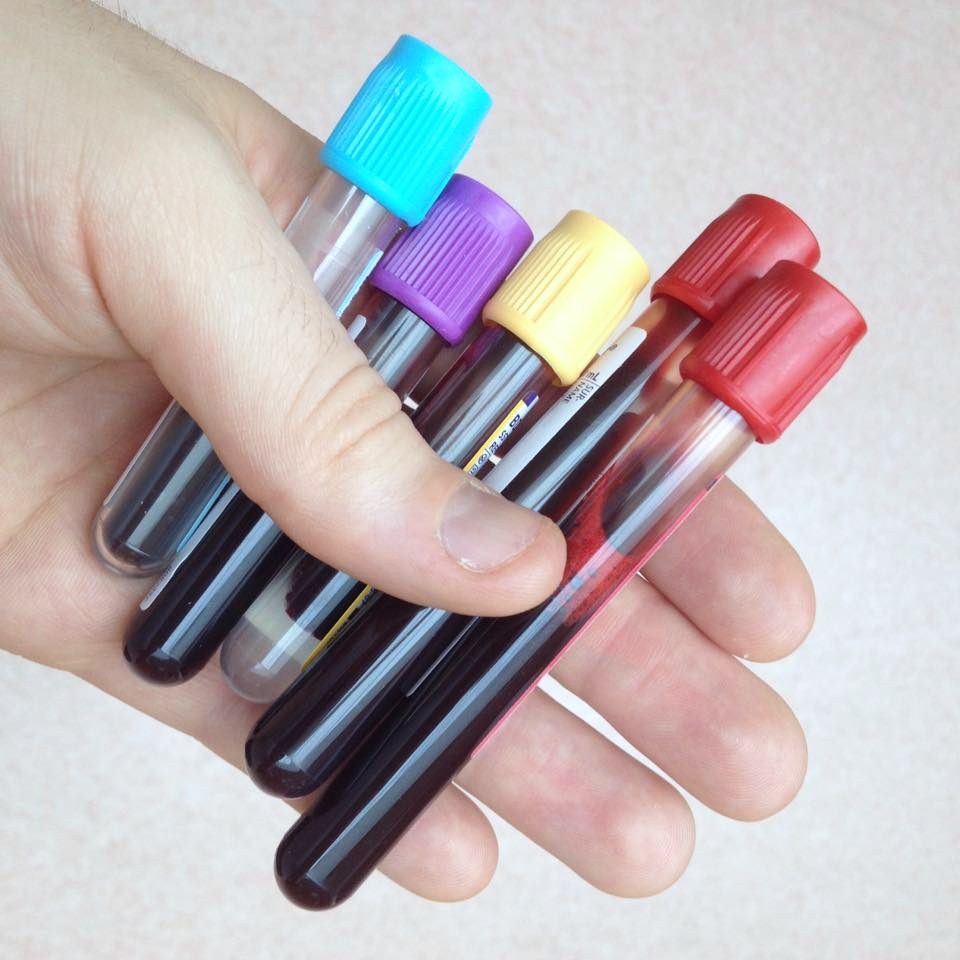
bloood-filled test tubes

Endometriosis will one day be diagnosed through a simple blood test.

Theory

There are several past and ongoing studies which are trying to identify “markers” which may lead the medical community to diagnose Endometriosis through a blood or tissue sample.  Imagine it: a non-invasive, conclusive diagnosis.  It’s still a theory…a hope…

Dr. Agarwal and Dr. Foster of San Diego’s Center for Endometriosis Research and Treatment are currently working on a project to see if a “BDNF” blood test will help diagnose Endo.  They have high hopes for this project.

The Feinstein Institute of Medical Research has an ongoing study to collect and evaluate DNA and menstrual blood samples of women with, and without, Endometriosis.  Their hope is to identify additional markers that separate Endo Sufferers from the general population.

CA-125 has been a long-studied biomarker which may indicate the presence, or recurrence, of Endometriosis.  Unfortunately, it has been deemed widely unreliable.  It is also used to attempt to diagnose ovarian cancer.  Additional studies are ongoing.

With persistent research, perhaps one day Endo will be simply diagnosed with a blood test!

Keep up the good work, Scientific and Medical Community!

Feel Good Fridays

a burnt forest that is beginning to regrow

We made it through the week, and what a busy week this has been!  *whew*

Today’s Feel Good Fridays quote is by Roman philosopher, Seneca:

“In a moment the ashes are made, but a forest is a long time growing.”

Remember, whatever “moment” you endured which you feel may have ruined you, or at least scarred you, that there will a time when you are whole again.  You will heal.  This experience will only make you stronger.  Endure.  Grow.  Be reborn from the ashes.

May you have a wonderful weekend!

Yours, Lisa

Truth, Theory, or Tall Tale?

operating room with da vinci surgical machine

A woman with Endometriosis may require surgeries to cut out the disease for the rest of her life.

Truth

Excision surgery is the “gold standard” for treating the symptoms associated with Endometriosis.  Surgeons cut out (excise) the Endometriosis implants that are found within the body, and also remove/cut free any adhesions that may be sticking organs together.  Some women claim immediate pain relief after their first surgery, some do not.  And countless women have to later undergo numerous excision surgeries, some in as little as six months after their last surgery.  Some women are pain-free for several years before having to go under the knife yet again.

Hysterectomies and menopause do not even relieve some womens’ Endometriosis symptoms.  Many women who are post-hysterectomy or even post-menopausal continue to suffer from Endometriosis pain and symptoms and continue to undergo excision surgeries.

Many in the medical community claim to be “the best” at an excision surgery; stating that once a patient sees them, they never have to undergo another surgery. Ever again.  Alas, while that may be true for some very lucky women, it is not true for all women.  And many patients who have seen these “experts,” later return for subsequent excision surgeries.  It’s not the surgeon’s fault…Endo just continues to fester and grow.

It remains that excision surgery is the most widely accepted treatment of Endometriosis.  And despite a well-balanced “endo diet,” supplements, prescription medication, and/or lifestyle changes, many women continue to suffer after their surgeries, and continue to require more.

It’s a vicious cycle.

Feel Good Friday

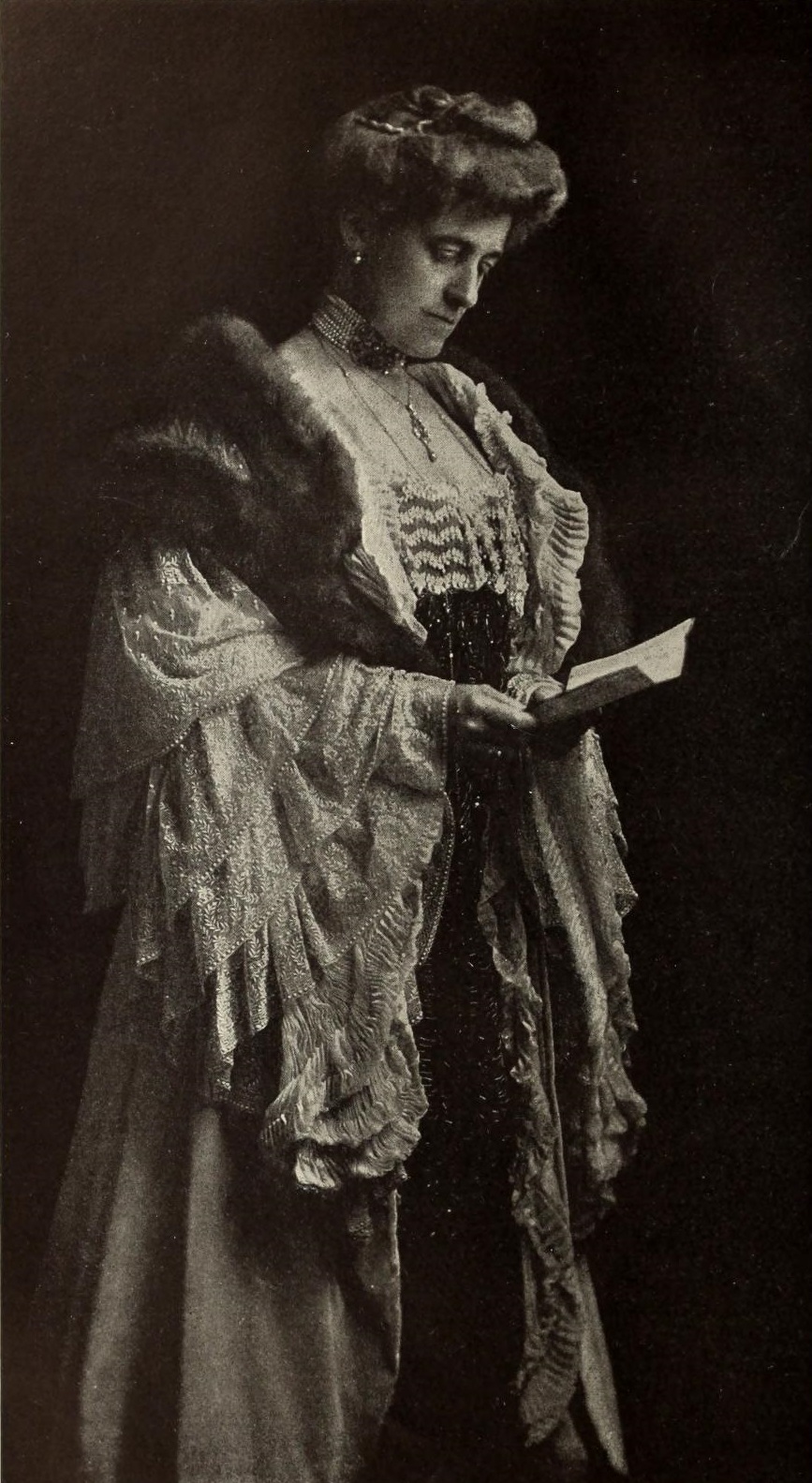
Edith Wharton in Victorian-era gown and reading a book

Good morning! We made it to another Friday, albeit a rainy one (it’s good though, we need the rain)!

Today’s quote is by American novelist, Edith Wharton:

“In spite of illness, in spite even of the archenemy sorrow, one can remain alive long past the usual date of disintegration if one is unafraid of change, insatiable in intellectual curiosity, interested in big things, and happy in small ways.”

I loved this quote the moment I saw it.  And I’m going to leave it at that.

Yours,

Lisa

Reader’s Choice : Can Men Get Endometriosis?

Male symbol

Last night, my boyfriend and I were talking about Endo’s “weirdness” how it can pop up in strange and unheard of places, and he popped the question (no, not THE question…), “Are there any reports of men having Endometriosis?”  I remembered reading somewhere that there were a few rare cases of it, but hadn’t read them deeply enough to understand their situations, diagnoses, and prognoses.  So, we have our topic for today!!

In rare cases, cis-men develop Endometriosis.  Transmen also suffer from the disease. But we will focus on cis-men for this blog: it appears many have been treated with long-term or large doses of estrogen therapy, but some are healthy men who have no history of cancer or estrogen treatment.  Here’s what I could find:

Continue reading

Endometriosis on your skin

Diagram of human skin

It’s about time I research more about Endometriosis being found in places other than your pelvic region.  We’ve already covered lungs, spine, and eyes, and today we’re going to delve into cases of Endometriosis and skin.  Skin? Yes, skin.  I’ve read that it’s rare, just like the other areas outside of the pelvic cavity…but, it does occur.  Some theorize it is implanted via the lymphatic orpro vascular systems; others think the cells are transplanted via surgery.

There seem to be two common categories of Endometriosis and the skin : spontaneous Endometriosis and scar Endometriosis.  Spontaneous Endo simply appears in random places on healthy skin (cutaneous or subcutaneous).  Scar Endo is found within scar tissue from prior surgeries or injuries.  It appears that surgical excision/removal of the Endometriosis lesions from the skin is the most common and effective way of handling the lesions.  Some surgeries may leave defects, which may (or may not) be repaired or rebuilt with a surgical mesh.  Some studies suggest that hormonal treatment may be too harsh for the patient for solitary lesions.

Continue reading

Truth, Theory, or Tall Tale?

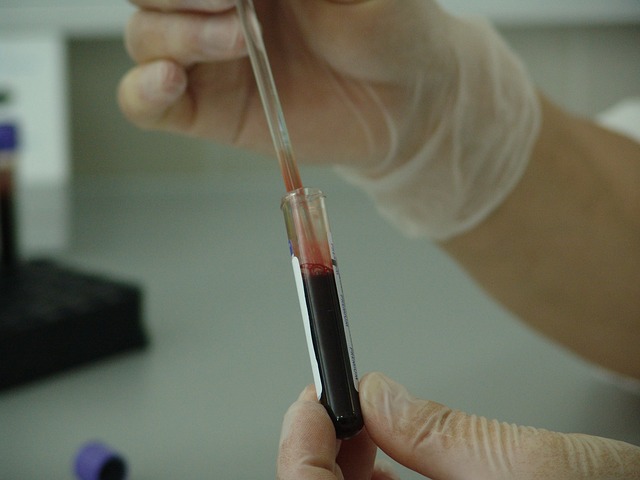
Blood in a test tube

Endometriosis can be diagnosed by blood tests, imaging studies, or pelvic examinations.

TallTale

There are many ways a physician may begin to suspect that a woman has Endometriosis.  A review of her pain, symptoms, and medical history; a pelvic examination; ultrasounds or MRIs; and blood tests.  But can these tests actually confirm a diagnosis of Endometriosis?

No.

The only “golden standard,” tried-and-true method of confirming the presence of Endometriosis is surgically opening a woman’s abdomen, peeking inside, and seeing the presence of the implants, lesions, and/or adhesions.  A study published on July 13, 2016 concludes, again, that surgery is the “golden standard” method of diagnosing Endometriosis.  It further states that these non-invasive tools should only be used in a research setting…

Presently, there are ongoing studies and research to develop non-invasive ways of being able to confirm Endometriosis; however, those end results are long off.

New Study : Endometriosis and Semen

New unwrapped condom

So there’s an article that was recently published that has a lot of the EndoCommunity in an uproar today on Facebook.  The article was title, “How your sex life may influence endometriosis,” published on May 1, 2015, by MedicalXpress. My initial knee-jerk reaction last night was to be furious.

I interpreted the article as saying that sex can cause and affect Endometriosis growth; to be more precise: seminal fluid can affect Endo growth.  Semen.  Baby-MoJo.  I’ve had my Endo pain since my early years in high school.  And I did not have sex until I was 21.  And my cramps were pretty damn bad back then.  How dare a study suggest that sexual activity had anything to do to heighten my endo symptoms or progression.   And my outrage was further fueled by others’ reactions about the same conclusion.

I’ve decided to take my time, read the study slowly, and try to digest what it is the study is trying to tell us. Wait. Step back. Breathe, breathe.  Relax.  Now go read the study…

Continue reading