Endometriosis in Captive Critters?

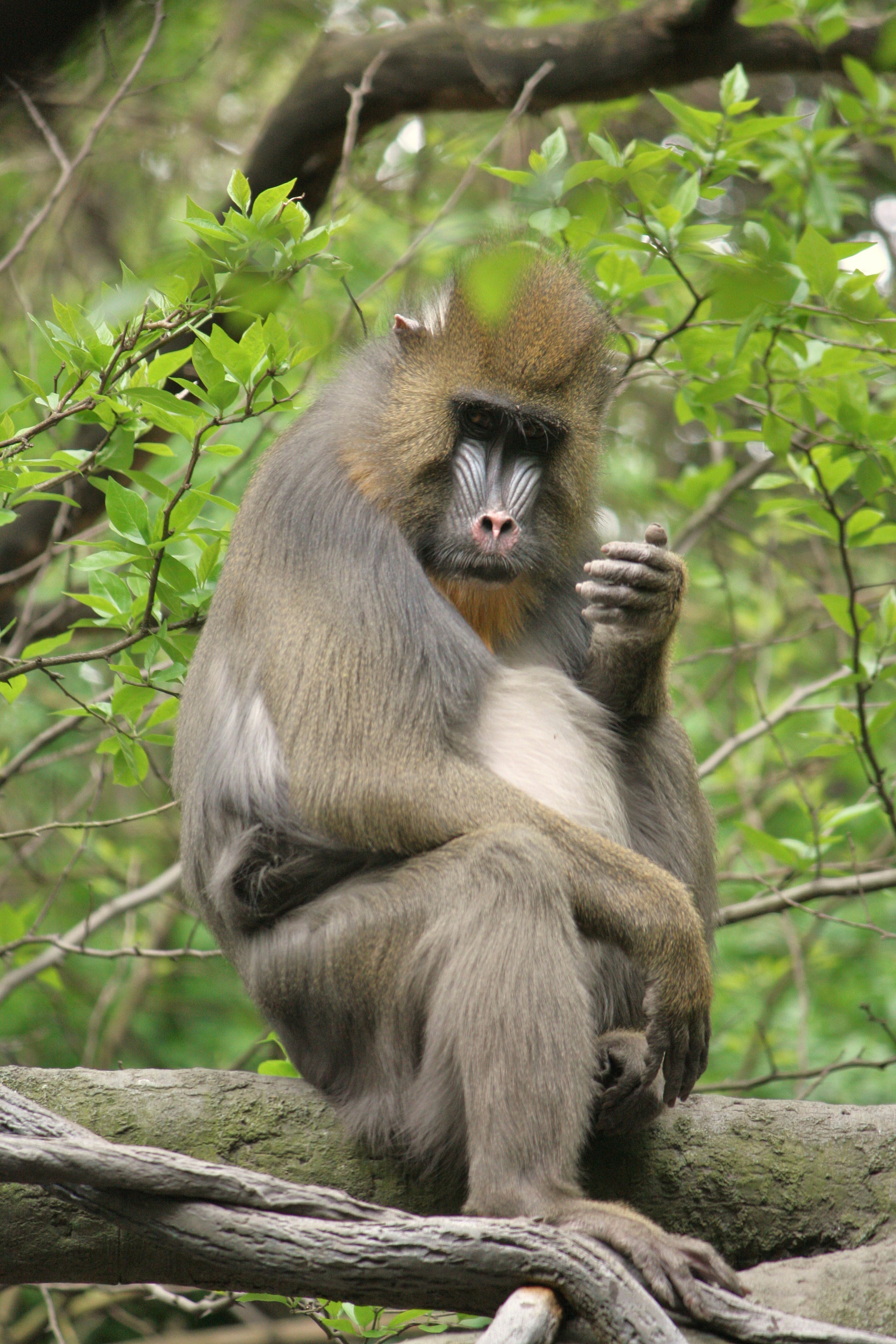
monkey in a tree
Female Mandrillus Sphinx

So we’ve previously read about a German Shepherd being diagnosed with Endometriosis. Today we’re going to talk about Mandrills (a form of primate that used to be considered a Baboon) who had been diagnosed with Endo. I’ve read a lot of previous studies where Endometriosis was purposely implanted into critters for study and dissection, but these primates weren’t for study.

There was a study from 2012 about a Mandrill that had died after showing signs of weakness and peritoneal bleeding.  Upon autopsy they found her uterus was covered in blood clots and it was stuck to her ovaries and pelvic wall.  The biopsy confirmed she had Endometriosis.  This is considered the first confirmed case of Endo in a Mandrill.

Continue reading

Is Flax Good or Bad for Endometriosis

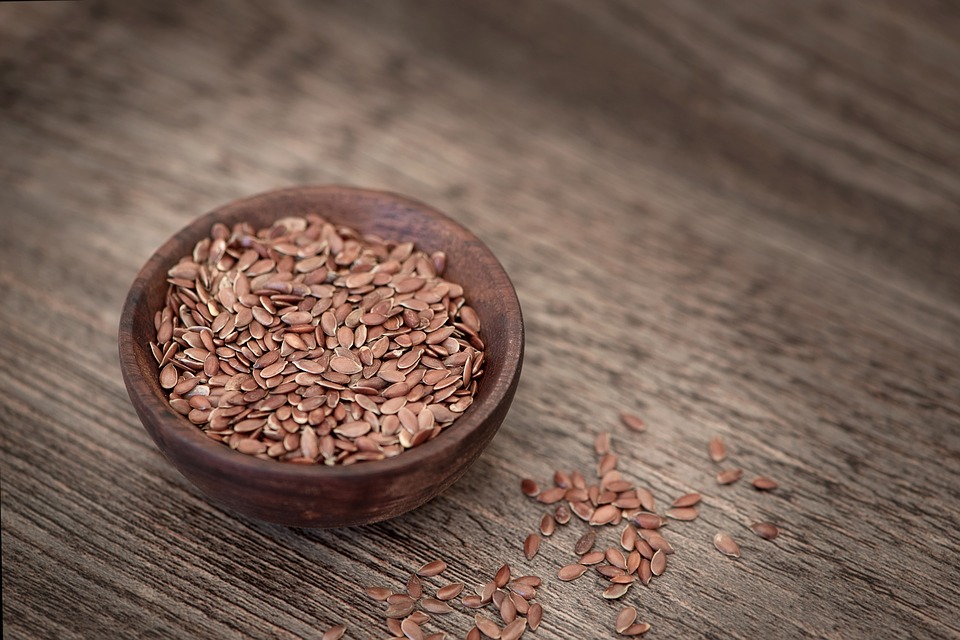
wooden bull with whole flaxseed inside

So for the past several months, I’ve been using flax milk instead of coconut milk in my tea, cereal, and protein shakes.  I’d grown tired of coconut milk, and am also wanting to lose an unwanted and “sudden” 20-pound weight gain.  It really wasn’t sudden, I just hadn’t noticed it until none of my pants fit…grrrr.

I’d read the flaxseed (also known as linseed) was a phenomenal source of Omega-3 fatty acids, protein, and fiber, and people boast of it’s anti-inflammatory properties.  So I was ecstatic to try it out and actually not mind the flavor of flax milk!  It’s gotta be good for my Endo, right?

That is, until this weekend, when someone on an Endo group on Facebook responded to my flax milk post that flax is bad for Endometriosis.  Why?  She didn’t say until several posts later, but it looks like flax seed and flax oil mimic estrogen, much like soy… *grumble grumble grumble*

Continue reading

Endometriosis & Leg Pain/Sciatica

Woman soaking in a bathtub. All we see are her legs.
Photo by Elizaveta Dushechkina on Pexels.com

I have heard from several EndoWarriors that they suffer from leg pain; whether it be their hips, upper thighs, or radiating pain down their leg(s).  Today we delve a bit deeper into leg pain complaints and Endo.  Have upper leg pain? Lower back pain? Tailbone pain?  So do a lot of people…but so do a LOT of women with Endometriosis.  A 2011 study surveyed 94 people with Endometriosis.  Of them, 51% complained of leg pain.  Cysts may also be contributing to leg and lower back pain. And although you may have some of these symptoms and think you have sciatic Endometriosis…please be aware that it is considered incredibly rare. And it may just be that your symptoms are a result of pelvic floor muscles being too tight (pelvic floor therapy may help) OR that adhesions and/or Endometriosis has pulled your anatomy out of whack. But, please, do read on:

Continue reading

Cervical Endometriosis

Sprinkle-covered donut
…not really a cervix, but you get it… 😉

So, WordPress shows me a lot of the searches that people run that lead them to my site.  One has recently come up again and again.  “Cervical Endometriosis” and “Endometriosis on Cervix.”

Seeing as I’ve never touched up on that particular location, I figured I would today!

What are the symptoms? How are you diagnosed?  What’s the treatment?

Continue reading

Endometriosis & Wine

A spilling glass of red wine

So, we’ve all heard that a glass of wine can be good for you.  Healthy, actually.  Then we’ve all heard that it can be harmful.  Throw in the mix that some of us suffer from Endometriosis…and that many people try to cut alcohol out of their lifestyle to prevent flare-ups and symptoms.  Alcohol is not only harmful to our bodies and livers, but contains a lot of sugar, as well as wreaks havoc on our system.  But I like me some vino!

Cutting out alcohol all together is likely your safest bet if you’re wanting to live cleaner and healthier.  The liver filters out toxins, as well as estrogen, from the body.  As you may have read elsewhere, Endometriosis is an estrogen-fed and reliant disease.  If our livers cannot properly filter out estrogen, we are simply empowering our illness.  Alcohol is also high in sugar…and we’ve previously discussed how sugar may increase your Endometriosis pain and flare-ups.  Studies have shown that alcohol may also increase estrogen levels due to phytoestrogens in alcohol…plant estrogens that  mimic human estrogen (…wait…I didn’t know that. Crap.)

Continue reading

Share your Story : Alex

blond woman smiling in a gray scarf and black jacket

Alex lives in New Zealand and was diagnosed with Endometriosis when she was 14.

Alex’s Journey:  Well at the age of 14 I was seen by my specialist after going into hospital 2 with in a few weeks with abdo pain… She said I’ll see you for surgery so she did! Adhesions, endo and appendix.

By the time I was 18 I was back to square 1, pain killers are useless to this day. I have seen specialists around the country for other opinions…

Continue reading

Share Your Story : Alexandra

Woman with brown hair wearing a shirt that reads "Fight like a (yellow ribbon) girl."

Alexandra is a fellow blogger out of Brisbane, Australia.  Today she share’s her Endometriosis journey with us.  She was diagnosed when she was 20, and now five years later here she goes, starting us out with a *bang*:

Alexandra’s Journey: “Uterus.” There, I said it! Uterus! Periods. Ovaries. Fallopian Tubes. Bleeding. Tampon. Rectum. Hormones. Bladder. Cervix. Menstruation. Vagina. Discharge. Pelvis. Pads. Endometriosis. Awkward.

Continue reading

Inflammation & Endo

Inflamed Bloomin' Uterus logo. It looks bloated and swollen

The Oxford Dictionary defines inflammation as, “a localized physical condition in which part of the body becomes reddened, swollen, hot, and often painful, especially as a reaction to injury and infection.”

An article which is slated to be published in June 2016’s Frontiers in Bioscience reviews previous studies and literature which discuss how inflammation may cause Endometriosis to develop.  It states, “…inflammation is crucial in the pathogenesis of endometriosis…” Pathogenesis is the development of a disease; the cellular events and mechanisms that lead to a disease.

Continue reading