Endometriosis & Perineum

A starfish on the sand
It’s the only photo I could think of that wasn’t … vulgar

Well, this was a first for me.

I’ve read numerous studies of Endometriosis developing in scar tissue after c-sections or other abdominal surgeries, but this one caught me by such surprise that I wanted to share it with you!  It’s important to any EndoWarriors who may have delivered children naturally and have complaints of pain…”down there.”  Read on!

Continue reading
New Study: migration of Endometriosis cells throughout the organs of mice

Small brown mouse

On April 6, 2017, Oncotarget published an article which I’ll be briefly discussing here today.

Researchers took mice and implanted Endometriosis cells inside of of their pelvic regions wanting to see if the Endometriosis cells would migrate to extra-pelvic organs.   They later analyzed the organs for microscopic Endometriosis-derived cells throughout the mice and found that it had migrated to the lungs, spleen, livers, and brains in many of the mice.

Continue reading

New Study: Self-Tracking Your Endometriosis

an apple tablet displaying a calendar for the year 2016

An article published in the December 2016 issue of the Journal of Participatory Medicine focused on women with Endometriosis tracking their symptoms, diet, etc.  In this day and age, there are several smartphone applications that can help you do this. Or…find your own system.

I myself use Google Slides to track my daily food & drink intake (and bowel movements), as well as any pain or symptoms I experience, and sexual activity and pain.  I’m a visual kind of person, so I also have an image that I draw little red squares where I have pain…These slideshows may come in handy at future doctor’s appointments – not to mention help me understand what may (or may not) exacerbate my symptoms.  It’s also how I learned that strawberries (mmmm delicious strawberries) really, really, REALLY wreak havoc on my bowels…ohmigawd.

Continue reading

An alternative to Lupron Depot, Letrozole, or Danazol?

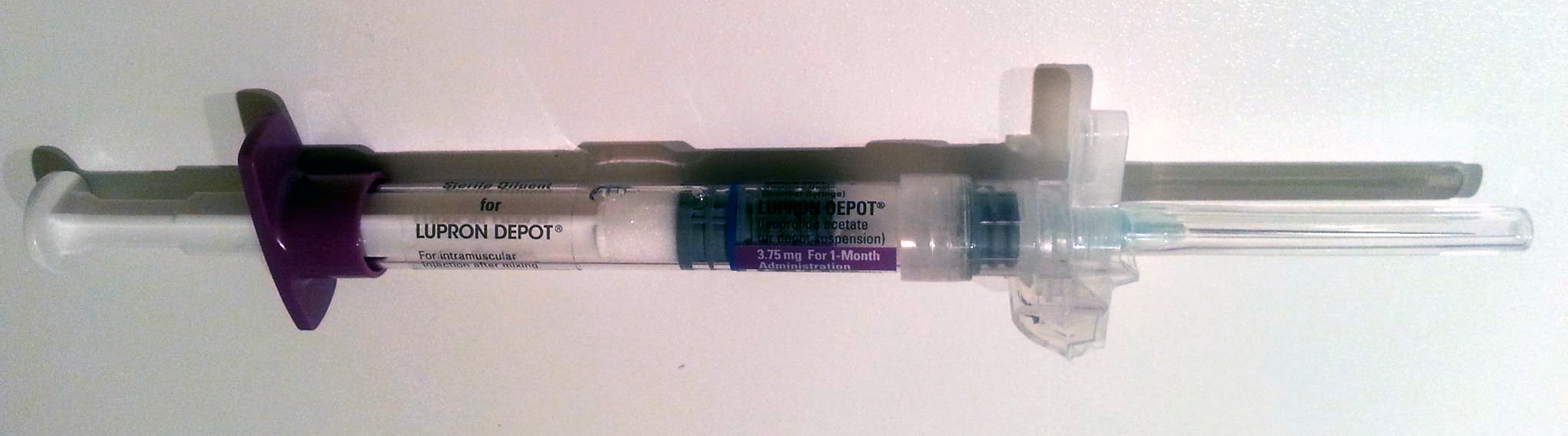
Syringe for Lupron Depot injection

The Journal of Restorative Medicine has published an article by Dr. Edward Lichen in their December 2016 compilation about non-surgical treatment of Endometriosis.  You can read the article, in it’s entirety, by clicking on the link under “Resources,” but I wanted to give a brief overview of my interpretation:

Causation:

  • Causation continues to be a mystery.  An overview of the nine theories of causation is given.
  • DNA research is ongoing.
  • Estrogen plays a role.  Many women with Endometriosis cannot opt for estrogen replacement therapy (even if post-menopausal) due to high recurrence rates of estrogen stimulation.
  • Xenoestrogens, dioxins, and endocrine disruptors increase inflammation and can cause Endometriosis to develop/recur.
Continue reading

Endometriosis & Eggs

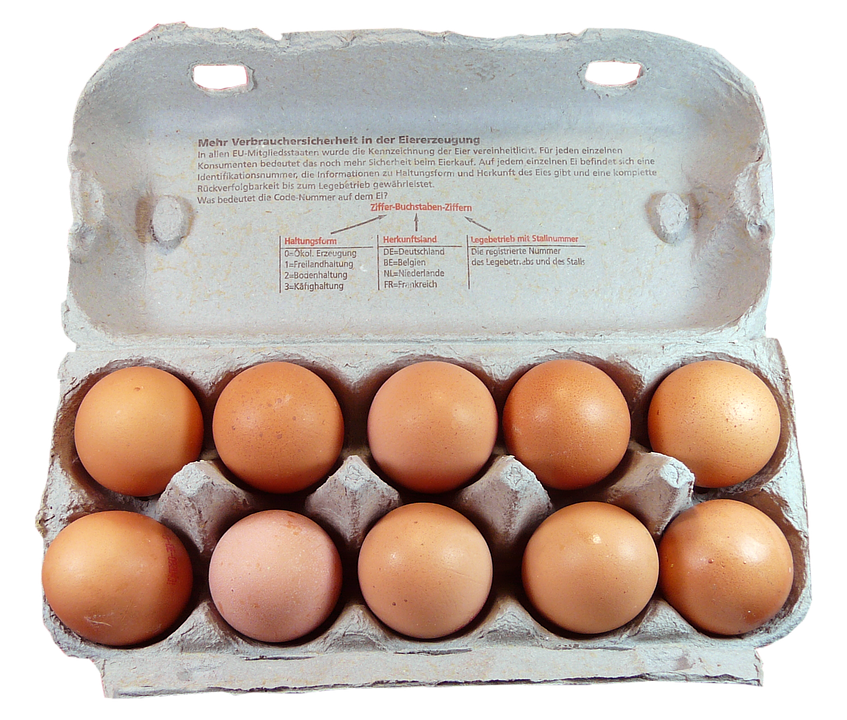
Carton of one dozen eggs

Note: this is about eating eggs. If you’re looking for info on Endometriosis and freezing your eggs for fertility treatments, click here.

So you may know a lot of the dietary restrictions many people choose to follow with Endometriosis.  I’ve heard “don’t eat eggs,” and “eat eggs!”  I LOVE me some eggs, so have decided to continue to devour them, but am curious as to the whole “don’t eat eggs” mentality – and it’s something I’ve never really looked into.  I’m assuming it has to do with hormones and proteins, just like red meats and dairy, but will give it a looksy today.

Continue reading

Parabens & Endometriosis


Store shelves with shampoo bottles

What are Parabens?

Parabens are chemicals used as preservatives in consumer products.

Why are they Bad for Us?

If you happen to suffer from Endometriosis, or any other estrogen-driven condition (like breast cancer), please be aware that parabens mimic estrogen.  Just like soy.  Just like flax.  Parabens are an “endocrine disruptor,” which alters our body’s hormone levels.  They’ve been found to play a role in breast cancer cell growth, too.

Continue reading

Reader’s Choice : Endometrial Polyps

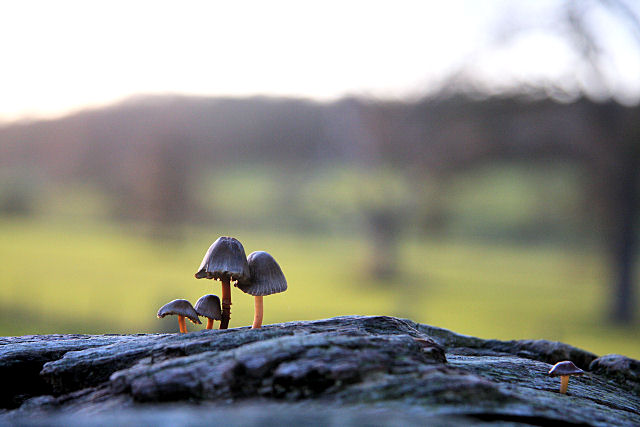
Tiny mushrooms growing on a log

One of our local EndoSisters has recently been diagnosed with endometrial polyps, something I know absolutely nothing about.  So what happens when I know nothing? I research!

What is a polyp?

A polyp is an abnormal overgrowth of tissue, usually a lump, bump, or stalky growth (hence the mushrooms above).  They’re most commonly found in the colon, but can be found in the uterus (known as uterine or endometrial polyps), cervix, stomach, throat, nose, and ear canal.  There can be just one polyp…or there can be lots.

Continue reading